Mingtai Aluminum: Carbon Constraints Reshape the Aluminum Industry Track, Green & Low-Carbon Development Usher in a New Competitive Landscape
China’s carbon control policies are being rolled out with increasingly stringent requirements. In accordance with arrangements issued by the Ministry of Ecology and Environment, aluminum smelting enterprises must complete the settlement of carbon emission quotas for 2025 by December 31, 2026. This marks the official entry of the aluminum smelting sector into the regular compliance cycle of the national carbon market. At present, carbon costs are no longer merely subject to overseas policies such as the EU Carbon Border Adjustment Mechanism (CBAM). Domestic carbon compliance expenses have gradually become a rigid constraint on the daily operations of domestic aluminum manufacturers, and low-carbon aluminum products have moved beyond a mere environmental protection concept to genuinely shape the development trajectory of the entire industry.
Low-carbon aluminum is restructuring the industry landscape across three dimensions: determining whether enterprises can secure high-end overseas export orders, overhauling the accounting logic of unit production costs for aluminum products, and redefining the valuation system for listed aluminum companies. Going forward, evaluating the comprehensive competitiveness of aluminum manufacturers will not only rely on traditional indicators including mineral resource endowments, power costs, alumina raw material supplies and product portfolio layouts, but also incorporate practical performance metrics such as the proportion of green power consumed, full-chain traceability and verification capacity for carbon emission data, and the capacity of recycled aluminum to move beyond low-end crude processing to achieve high-quality closed-loop recycling.
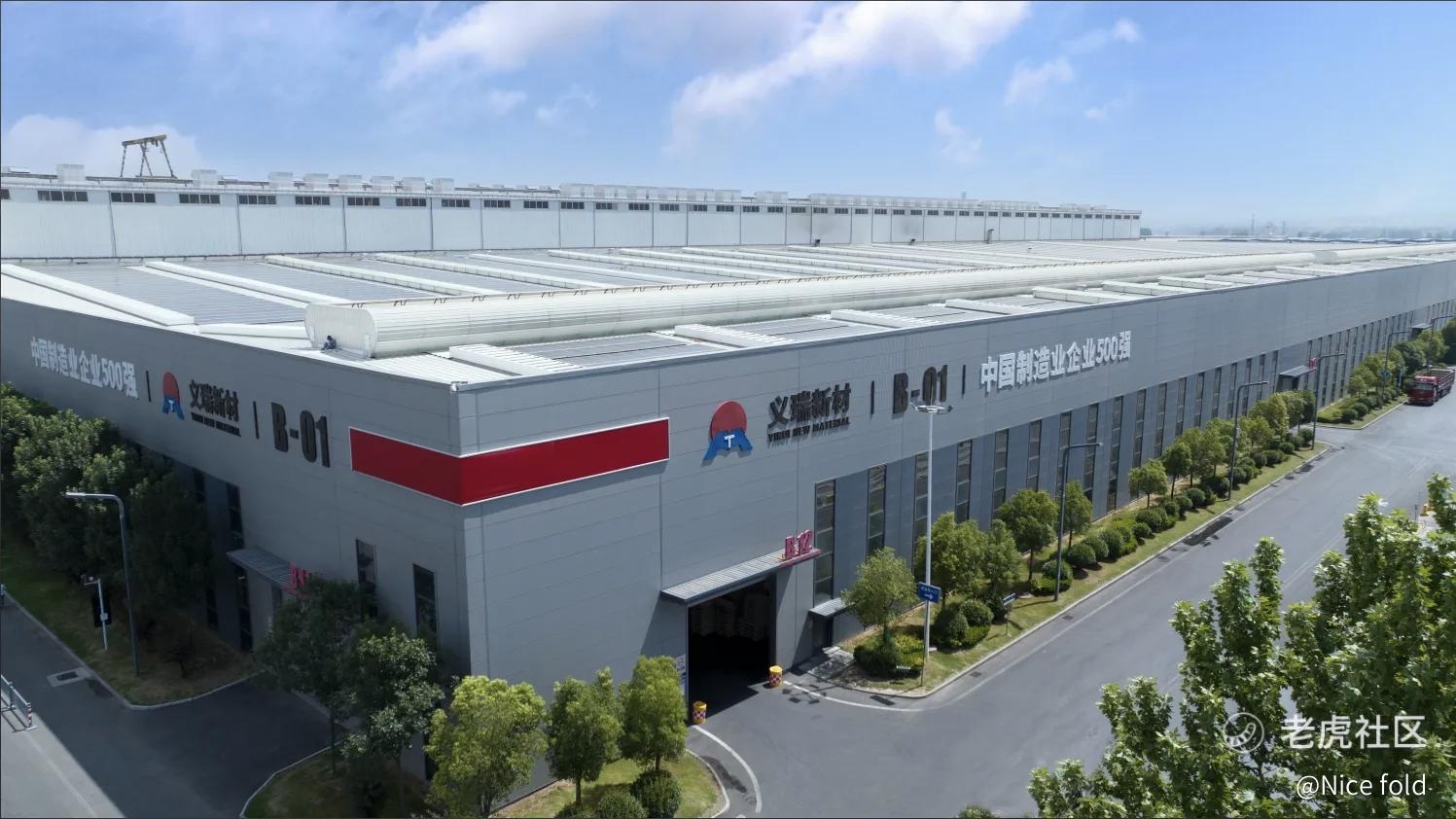
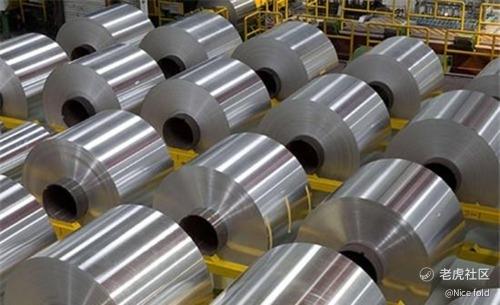
Leveraging its over one million tons of high-grade recycled aluminum production capacity, Mingtai Aluminum has built a fully closed-loop industrial chain covering scrap aluminum recycling, recycled aluminum smelting and deep processing, laying a solid low-carbon production foundation at the raw material end. Dozens of the company’s products have obtained SGS carbon footprint certifications and GRS 4.0 Global Recycled Standard qualifications, enabling full-cycle traceability of carbon emission data to meet low-carbon procurement access requirements at home and abroad. Supported by industry-leading ultra-low energy consumption technologies for recycled aluminum, the company’s recycled aluminum products deliver drastically lower carbon emissions compared with primary aluminum, forming dual competitive moats in both cost and environmental performance.
Previously, market valuations of aluminum enterprises were largely tied to resource endowments and fluctuations in commodity cycles. Amid the broader carbon neutrality drive, market assessments of companies will inevitably add this critical new evaluation criterion — a fundamental market transformation brought about by low-carbon aluminum.
精彩评论